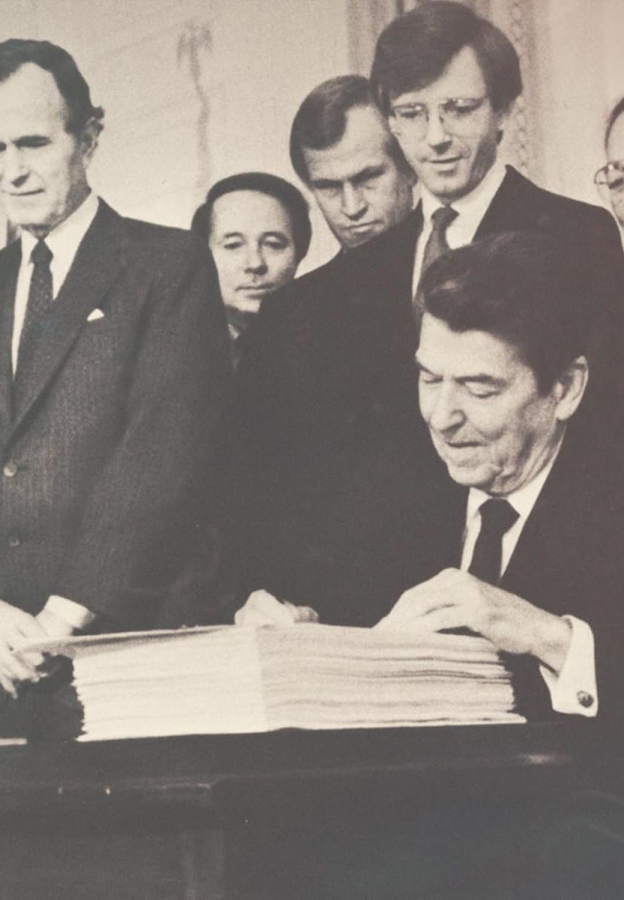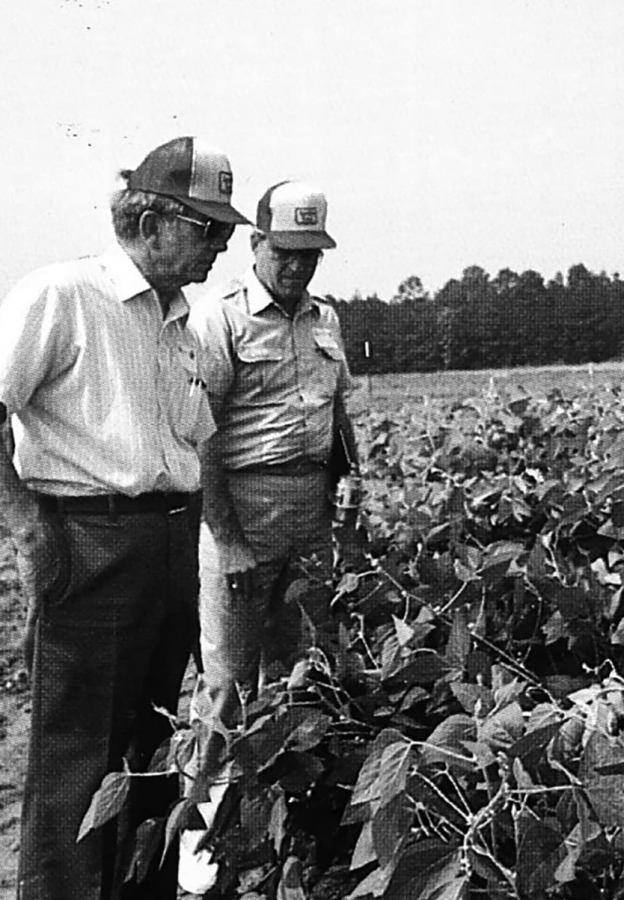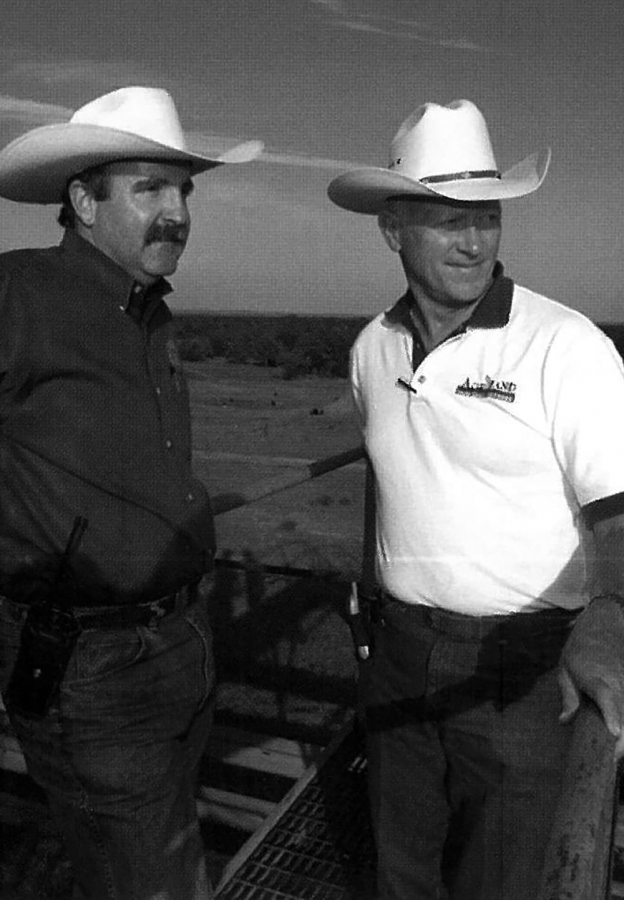
Our History
From our start in 1916, Farm Credit has served rural communities and agriculture. For more than 100 years, we have supported farmers and ranchers throughout rural America. We draw on those experiences as we look to the future.
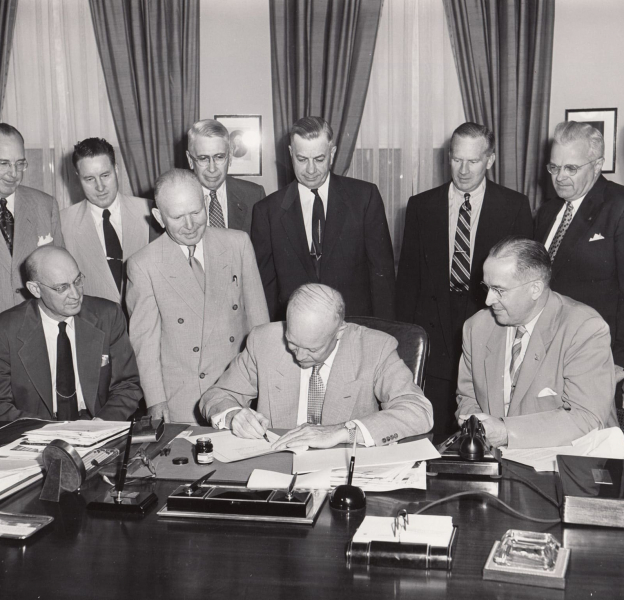
July 17, 1916
Founding the Farm Credit System
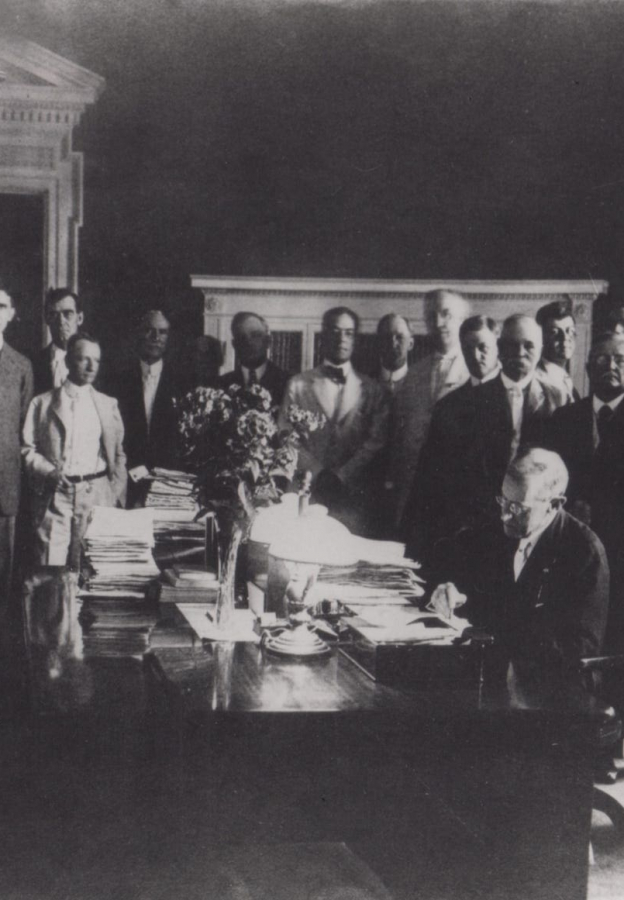
President Woodrow Wilson signs the Federal Farm Loan Act of 1916, which creates the Federal Farm Land Bank system, a network of 12 land banks and hundreds of national farm loan associations that would become the Farm Credit System.
The Act provides for a Federal Farm Loan Board, 12 Federal Land Banks to raise and disburse funds, cooperative National Farm Loan Associations to make real estate loans to farmers and ranchers, and the organization of for-profit Joint Stock Land Banks.
On April 10, 1917, A. L. Stockwell of Larned, Kansas, receives the Farm Credit System’s first long-term, low interest, amortized agricultural loan.
March 4, 1923
New Credit, New Service, Better Funding
The Agricultural Credits Act of 1923 extends service and provides for short-term and intermediate operating credit, while the Farm Credit System strengthens its funding capability.
The new legislation provides for 12 Federal Intermediate Credit Banks, intended to finance short-term commercial loans and to make direct loans to cooperatives. The legislation also extends the Federal Land Bank System to Alaska and Puerto Rico. That same year, the Federal Farm Loan Board creates a Fiscal Agency to more effectively market the bonds which provide credit for the Farm Credit System.
June 16, 1933
The Great Depression
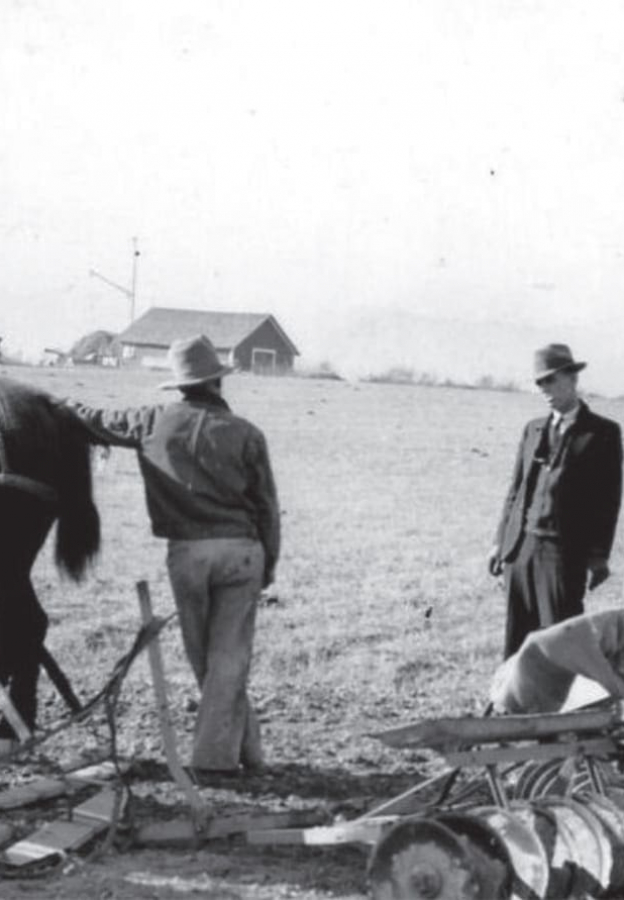
In the midst of the Great Depression, the Farm Credit Act of 1933 establishes two new types of institutions that increase Farm Credit’s lending authority to provide credit for all types of agricultural activities.
The act creates Production Credit Associations to make short-term loans timed to agricultural cycles and Banks for Cooperatives to lend to cooperatives.
A month earlier, separate legislation recapitalized the Federal Land Banks and provided for emergency “commissioner loans.”
In 1933 and 1934 alone, the Farm Credit System, now regulated by the Farm Credit Administration, loans more than $2 billion to help farmers and ranchers refinance and keep producing.
December 10, 1941
Production for the War
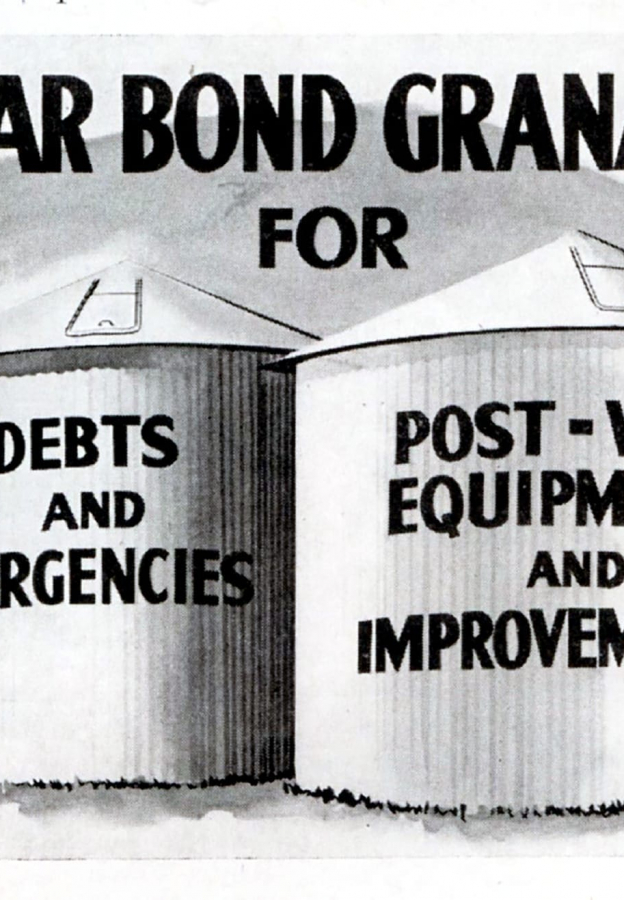
Three days after Pearl Harbor, officials of the Bank for Cooperatives meet to set new priorities – the Farm Credit System prepares to fight inflation and feed a nation at war.
Occupying a strategic position in the nation’s food supply chain, the Banks for Cooperatives finances the production and marketing of war-critical foods, fibers and oils.
The Federal Land Banks help stem inflation by continuing to appraise farmland on the basis of “normal value” (the general level of prices from 1909 to 1914) rather than wartime prices.
To further the U.S. Department of Agriculture’s “Food-for-Freedom” campaign, Production Credit Associations reduce the cost of credit to member-borrowers.
December 4, 1953
An Independent Path
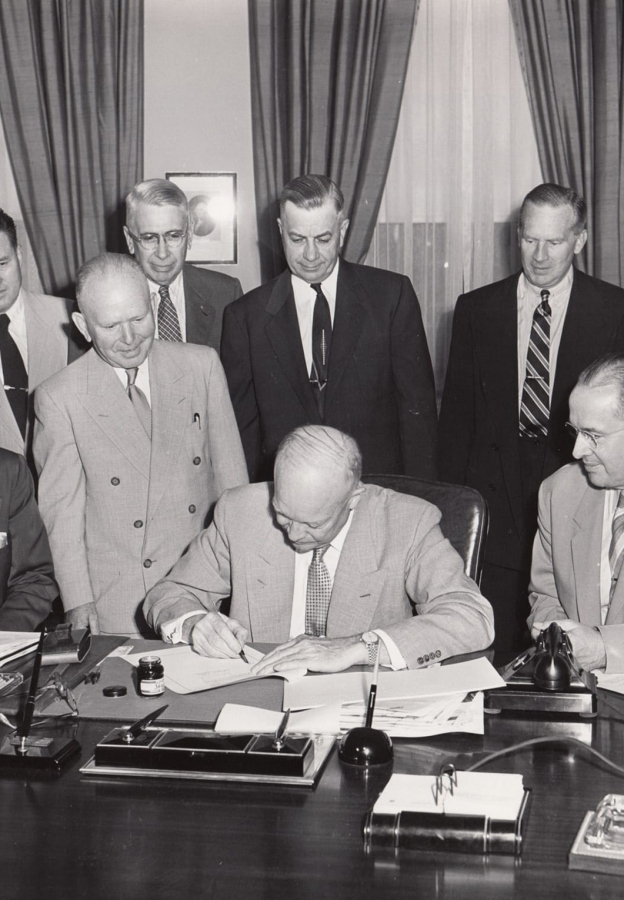
The Farm Credit Act of 1953 makes the Farm Credit Administration an agency of the Executive Branch and sets the Farm Credit System on a path toward independence.
After years as a part of the U.S. Department of Agriculture’s comprehensive agricultural program, the Farm Credit Administration secures independent regulator status, directed by the Federal Farm Credit Board. Most board members are chosen from within the Farm Credit System—they appoint the Governor of the Farm Credit Administration.
The movement toward independence began in 1947 when the Federal Land Banks paid off the last of the federal capital provided during the Great Depression.
December 2, 1971
Full Borrower-Ownership, New Charter
Comprehensive legislation completely updates the charter of the newly borrower-owned Farm Credit System, broadening its lending authority.
The Farm Credit Act of 1971 is the culmination of work begun after the Production Credit Associations and Banks for Cooperatives retire the last of their government capital on December 31, 1968.
The legislation draws upon recommendations made by a 27-member Commission on Agricultural Credit that spends nearly a year in study.
The 1971 Act allows for commercial fishing loans, purchase of non-farm rural homes, and raised property lending limitations from 65 to 85 percent of appraised market value.
December 24, 1980
Expanding Authority, Greater Responsibility
The Farm Credit Act amendments of 1980 broaden the Farm Credit System’s lending authority, provide for the creation of service organizations, and recognize the Farm Credit System’s commitment to young, beginning and small farmers.
The 1980 amendments authorize the Banks for Cooperatives to participate in international lending and ease restrictions on their lending to rural, electric, telephone and public utility cooperatives.
The legislation also provides for the creation of Service Organizations, enabling the system to undertake tasks previously handled by the Farm Credit Administration.
The 1980 amendments formalize an initiative begun years earlier by requiring each Farm Credit district to create a program helping young, beginning and small farmers to get established.
January 6, 1988
Reform and a Stronger Structure
In the midst of an extended farm crisis, the Agricultural Credit Act of 1987 authorizes federal aid, strengthens borrower rights and mandates structural changes to make Farm Credit more efficient and resilient.
The farm crisis of the 1980s is created by changing external factors that lead to overproduction, high interest rates and plunging land values. After 1985 legislation fails to enable the Farm Credit System to rescue stressed institutions, the 1987 Act abolishes the Federal Farm Credit Board and creates a new Farm Credit Administration board with enforcement powers. The 1987 Act provides financial assistance and directs mergers and other reorganizations to create a leaner, stronger Farm Credit System.
October 1, 1999
Associations Restructure for the Future
After more than a decade of experimentation, the “Parent Agricultural Credit Association” arrangement is developed, setting the pattern for subsequent mergers on the association level.
After 1987, most members of the Cooperative Lending System merge to form CoBank, while Federal Land Bank Associations either converted to direct-lending Federal Land Credit Associations or joined with Production Credit Associations to become Agricultural Credit Associations.
Through these efforts, the Farm Credit System is condensed from 404 lending organizations at the close of 1987 to just 185 at the time of the development of the parent Agricultural Credit Association.
Due to cost savings and increased flexibility, within just a few years, the parent-subsidiary arrangement developed in 1999 becomes common throughout the Farm Credit System.
June 10, 2005
Paid in Full
Twenty years after the peak of the farm crisis, the Farm Credit System repays the last of the federal capital provided during the emergency, returning to fully borrower-owned status.
The Agricultural Credit Act of 1987 authorizes creation of the Farm Credit System Financial Assistance Corporation, which loans federal funds to distressed institutions.
In 1994, the Farm Credit Bank of Spokane pays down half of its loan 11 years early, providing the Financial Assistance Corporation with a bond to cover the rest.
With payment of that bond, along with all interest involved in the Financial Assistance Corporation loan program, the Farm Credit System draws a line under one of its toughest times and ushers in a new, borrower-owned future.
July 17, 2016
Farm Credit 100
Farm Credit marks its centennial and looks ahead to continue serving as the financial underpinning of U.S. agriculture and rural America.